By Carissa Tomer
•
June 19, 2026
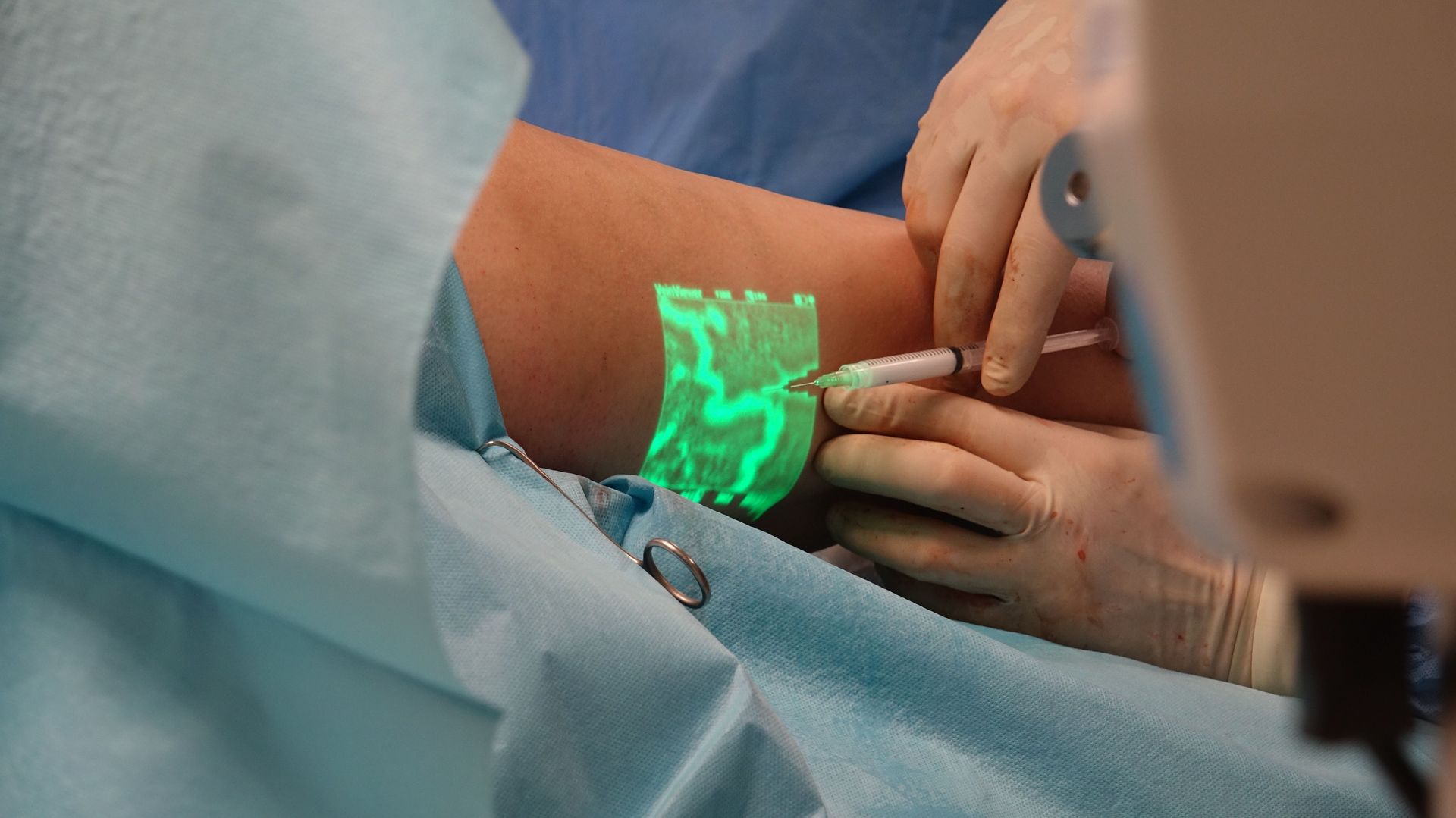
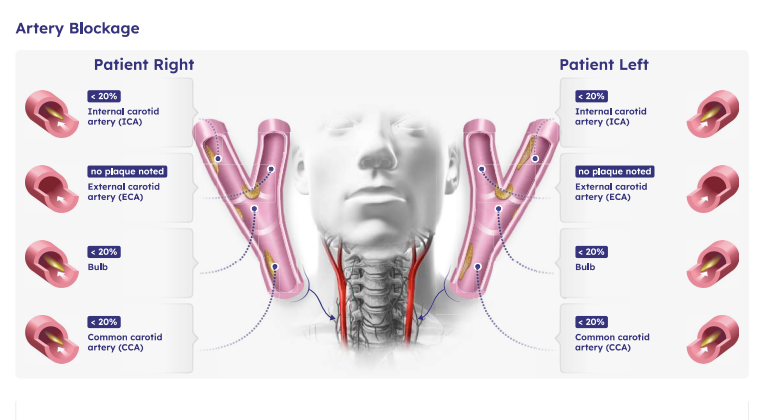
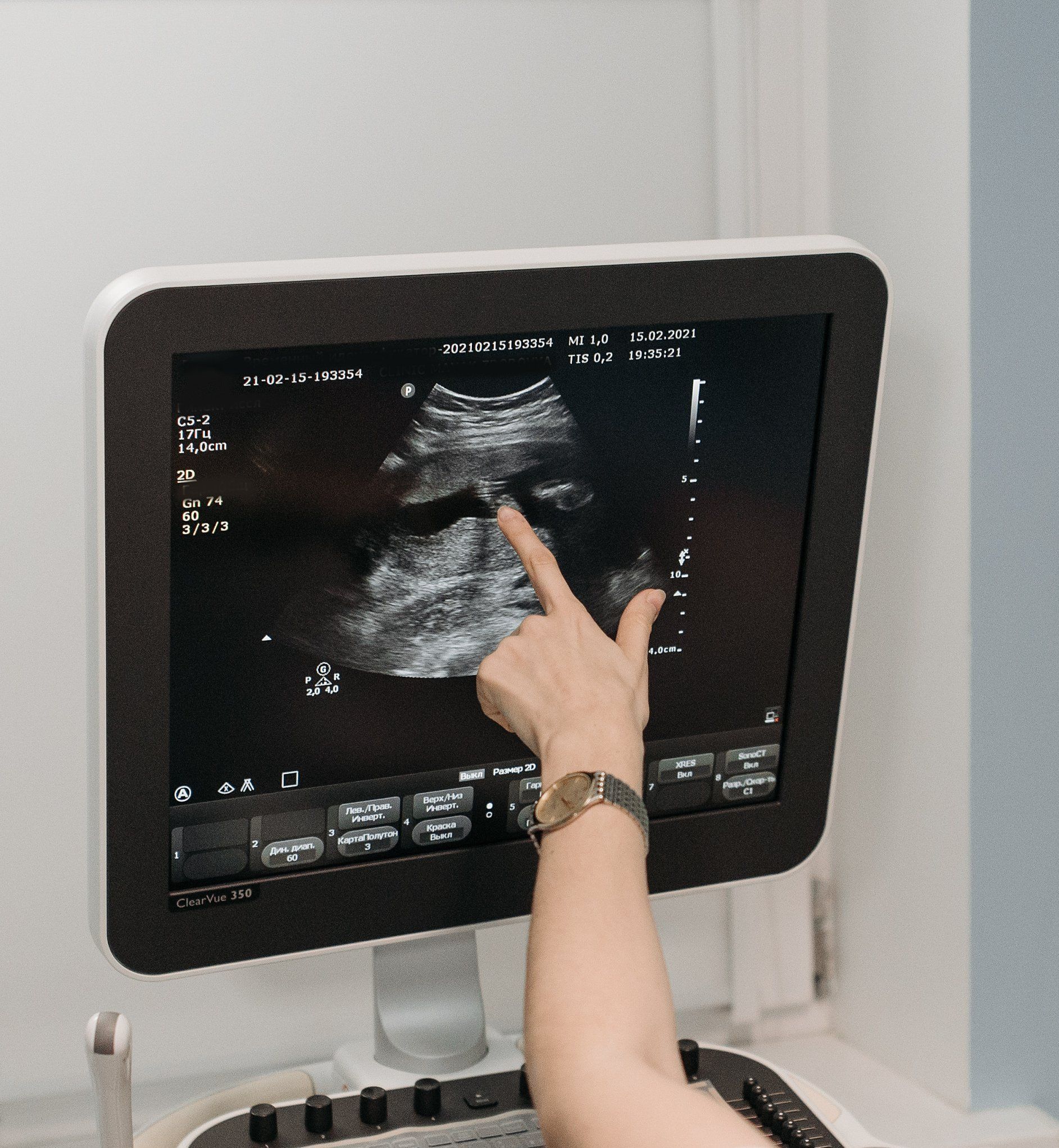
Point-of-care ultrasound, often called POCUS, is becoming an essential tool for clinicians across many different specialties. But for someone new to ultrasound, getting started can feel overwhelming. There are so many applications, settings, probes, systems, and clinical uses that it can be hard to know where to begin. The good news is that learning POCUS does not have to feel complicated. With the right structure, guidance, and practice, clinicians can build confidence one step at a time . What Is POCUS? POCUS stands for point-of-care ultrasound. Simply put, POCUS is an ultrasound performed at the bedside or point of care to help clinicians answer focused clinical questions in real time. In many situations, POCUS is used to help answer simple yes-or-no questions, such as: Is there fluid present? Is there renal or gallstones? Is there cardiac activity? Is there a pleural effusion? Is there DVT? POCUS is not meant to slow you down or make your clinical workflow more complicated. When used correctly, it should support your decision-making, help increase confidence, and provide useful information quickly at the bedside. Why Beginners Should Not Try to Learn Everything at Once One of the biggest mistakes beginners make is trying to learn every POCUS application at the same time. This can quickly become overwhelming. Instead, it is best to start with the basics, choose one application that is relevant to your practice, and build from there. Learning ultrasound is much easier when you focus on foundational skills first, such as probe handling, image orientation, basic anatomy, image optimization, and recognizing normal versus abnormal findings. Once you feel comfortable with one application, you can begin adding more advanced skills and additional exams. Best First Applications to Learn This is a tough question to answer broadly because the best first application depends on your clinical setting and how you plan to use ultrasound in practice. For example, an emergency medicine provider, a primary care clinician, a nurse, an EMS provider, a nephrology team, and a women’s health provider will all use POCUS differently. That is where professional ultrasound educators can be extremely helpful. A good educator can help you create a practical roadmap based on your specialty, equipment, workflow, and clinical goals. The best starting point is not always the most popular application. It is the one that makes the most sense for your practice and offers the greatest opportunity to use the skill consistently. Why Image Optimization Matters Before Diagnosis Before you rely on ultrasound findings to guide clinical decisions, you need to understand the basics of image optimization. This includes learning how to adjust depth, gain, focus, orientation, and probe position. It also includes understanding common artifacts and knowing when an image is not good enough to interpret confidently. Poor image quality can lead to confusion, missed findings, or misdiagnosis. That is why beginners should focus first on creating clear, reliable images before moving too quickly into interpretation. Strong image optimization skills are the foundation of safe and effective ultrasound use. Online Education vs. Hands-On Training Both online education and hands-on training are valuable when learning POCUS. Online education is a great place to start because it allows you to build foundational knowledge before scanning in person. You can learn sonographic anatomy, terminology, clinical applications, scanning technique, and image interpretation at your own pace. Hands-on training is where everything starts to come together. It gives you the opportunity to practice probe handling, ask questions, troubleshoot image quality, and receive real-time feedback. For most learners, the best approach is online pre-education followed by a hands-on session. This helps reinforce what you learned online and allows you to make the most of your in-person training time. When to Consider POCUS Certification POCUS certification is not always required, but it can be a great way to show your commitment to learning, clinical growth, and excellence in the field. Certification can also be valuable for your resume, professional development, credentialing conversations, and building confidence as you continue using ultrasound in practice. For many clinicians, certification provides structure and a clear goal to work toward. It helps guide learning and encourages continued practice beyond the basics. How Ultrasound Energy Helps Clinicians Get Started Ultrasound Energy offers both online ultrasound education and hands-on training workshops designed to help clinicians build confidence with POCUS. Our online learning options include the opportunity to earn CME and prepare for POCUS certification. Through our partnership with SonoSim, learners also have access to simulation technology designed to support high-quality ultrasound education and real case-based learning. We also offer certification programs that help prepare clinicians for POCUS certification and include a certification voucher at the end of the program, adding significant value to the learning experience. For hands-on training, we offer private workshops where we come to your location and work with your team using your own equipment. We do not currently offer open public workshops because we believe clinicians learn best on the systems they will actually use in their own clinical environment. This allows us to customize the training to your workflow, equipment, clinical setting, and team’s needs. We can cover everything from scanning technique and image optimization to cleaning protocols, procedure supplies, documentation, and practical workflow questions. Ready to Start Learning POCUS? If you are new to POCUS, the best first step is to start with structure. Build your foundation, choose the right application for your practice, and get guidance from experienced ultrasound educators. Whether you are looking for online education, hands-on training, CME, or POCUS certification support, Ultrasound Energy can help you create a clear path forward. Explore our online programs and hands-on workshops to start building confidence with point-of-care ultrasound.